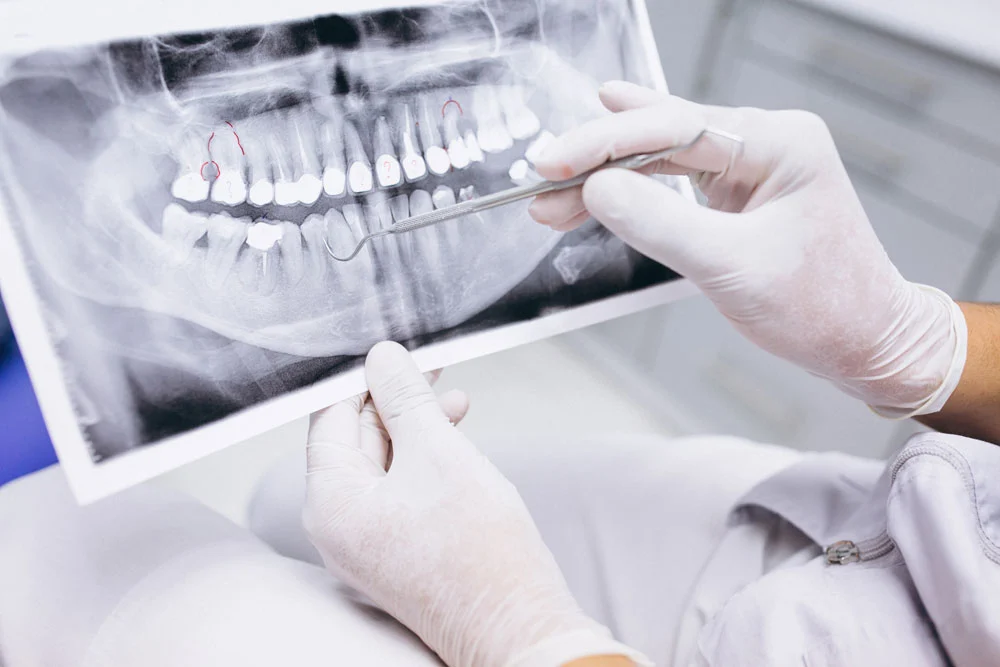
What is Dental Calculus?
Dental calculus, commonly known as tartar, is a hardened form of dental plaque that develops on teeth when plaque is not removed regularly through proper brushing and flossing. It appears as a yellowish or brownish hard deposit on teeth, particularly along the gumline and between teeth.
Unlike plaque, which is a sticky film that can be removed through regular brushing and flossing, calculus is mineralized and hardened, making it impossible to remove through routine oral hygiene practices. Professional dental intervention is necessary to remove calculus effectively.
How Does Dental Calculus Form?
The formation of dental calculus follows a specific process:
- Plaque Formation: Bacteria in the mouth combine with food particles and saliva to form a sticky, colorless film called plaque on teeth surfaces.
- Mineralization: If plaque is not removed within 24-72 hours, minerals from saliva begin to deposit within the plaque, gradually hardening it.
- Calcification: Over time, this mineralization process creates calculus – a hard, calcified deposit that firmly adheres to tooth surfaces.
- Growth and Accumulation: Once formed, calculus provides a rougher surface than tooth enamel, making it easier for more plaque to accumulate and subsequently turn into additional calculus.
Types of Dental Calculus
There are two main types of dental calculus:
1. Supragingival Calculus
This type of calculus forms above the gumline and is typically visible as yellowish or whitish hard deposits on the tooth surfaces. It's commonly found on teeth adjacent to salivary gland ducts, such as the lower front teeth and upper molars.
2. Subgingival Calculus
This type forms below the gumline in the periodontal pockets. It's typically darker in color, ranging from brown to black due to blood components. Subgingival calculus is more dangerous as it's hidden from view and contributes significantly to periodontal disease progression.
Why is Calculus Removal Important?
Regular removal of dental calculus is essential for several reasons:
- Prevents Gum Disease: Calculus irritates gum tissues, leading to inflammation (gingivitis) that can progress to more serious periodontal disease if left untreated.
- Reduces Bad Breath: The bacteria trapped in calculus produce foul-smelling compounds that contribute to halitosis (bad breath).
- Preserves Aesthetics: Calculus can cause unsightly stains and discoloration on teeth, affecting smile appearance.
- Prevents Tooth Loss: Advanced periodontal disease resulting from untreated calculus can lead to bone loss, loose teeth, and eventually tooth loss.
- Supports Overall Health: Research has linked periodontal disease associated with calculus to various systemic conditions, including heart disease, diabetes, respiratory infections, and pregnancy complications.
Calculus Removal Procedures at Krishna Dental Clinic
At Krishna Multispeciality Dental Clinic, we offer professional calculus removal services through various procedures:
Scaling
Scaling is the standard procedure for removing calculus from teeth surfaces. Our dental professionals use specialized instruments to carefully remove calculus deposits both above and below the gumline:
- Manual Scaling: Using hand-held instruments called scalers and curettes to scrape away calculus
- Ultrasonic Scaling: Utilizing ultrasonic instruments that use high-frequency vibrations to break up and remove larger deposits of tartar, followed by water irrigation to wash away debris
Root Planing
For patients with deeper pockets formed between teeth and gums due to periodontal disease, we may recommend root planing after scaling. This procedure involves smoothing the root surfaces of the teeth to:
- Remove embedded calculus from root surfaces
- Eliminate bacterial toxins from root surfaces
- Create a clean, smooth surface that helps gum tissues reattach to the teeth
- Discourage future plaque and calculus accumulation
Polishing
Following scaling and root planing, we polish the teeth to:
- Remove any remaining plaque and surface stains
- Create a smooth tooth surface that resists future plaque buildup
- Provide an aesthetically pleasing, clean appearance
What to Expect During Your Appointment
- Assessment: Our dentist will examine your teeth and gums, possibly taking X-rays to determine the extent of calculus buildup and any underlying issues.
- Procedure: Depending on the amount of calculus present, the cleaning may be divided into multiple visits, focusing on different areas of the mouth during each session.
- Comfort Measures: For patients with sensitive teeth or extensive cleaning needs, we may offer local anesthesia to ensure your comfort during the procedure.
- Follow-up: After completing the cleaning, we'll provide guidance on maintaining good oral hygiene and schedule follow-up appointments as needed.
How Often Should Calculus Be Removed?
For most patients, professional dental cleanings are recommended every six months to prevent significant calculus buildup. However, individuals with certain risk factors may require more frequent visits:
- History of gum disease
- Heavy plaque and calculus formation
- Smoking
- Diabetes or other systemic conditions affecting oral health
- Genetic predisposition to dental problems
- Inconsistent oral hygiene practices
Preventing Calculus Formation
While professional cleanings are essential for calculus removal, you can take steps to minimize its formation between dental visits:
- Brush thoroughly at least twice daily for two minutes using fluoride toothpaste
- Floss daily to remove plaque from between teeth and along the gumline
- Consider using an antiseptic mouthwash to reduce bacteria in the mouth
- Use a tartar-control toothpaste containing pyrophosphates or zinc citrate
- Consider an electric toothbrush, which may be more effective at removing plaque
- Maintain a balanced diet low in sugary and starchy foods
- Stay hydrated to promote adequate saliva flow, which helps neutralize acids and wash away food particles
- Don't smoke or use tobacco products
Regular professional dental cleanings are essential for preventing the harmful effects of calculus buildup. Contact Krishna Multispeciality Dental Clinic today at 086742 44241 or 079974 44241 to schedule your dental cleaning appointment. Our experienced team in Gudivada will help you maintain optimal oral health through effective calculus removal and prevention strategies.
Contact Us
10/181-1 Eluru Road, Gudivada, Andhra Pradesh 521301
086742 44241, 079974 44241
vidya@krishnadental.in
Opening Hours
Monday - Saturday: 9:30 AM - 8:30 PM
Sunday: 10:00 AM - 1:00 PM